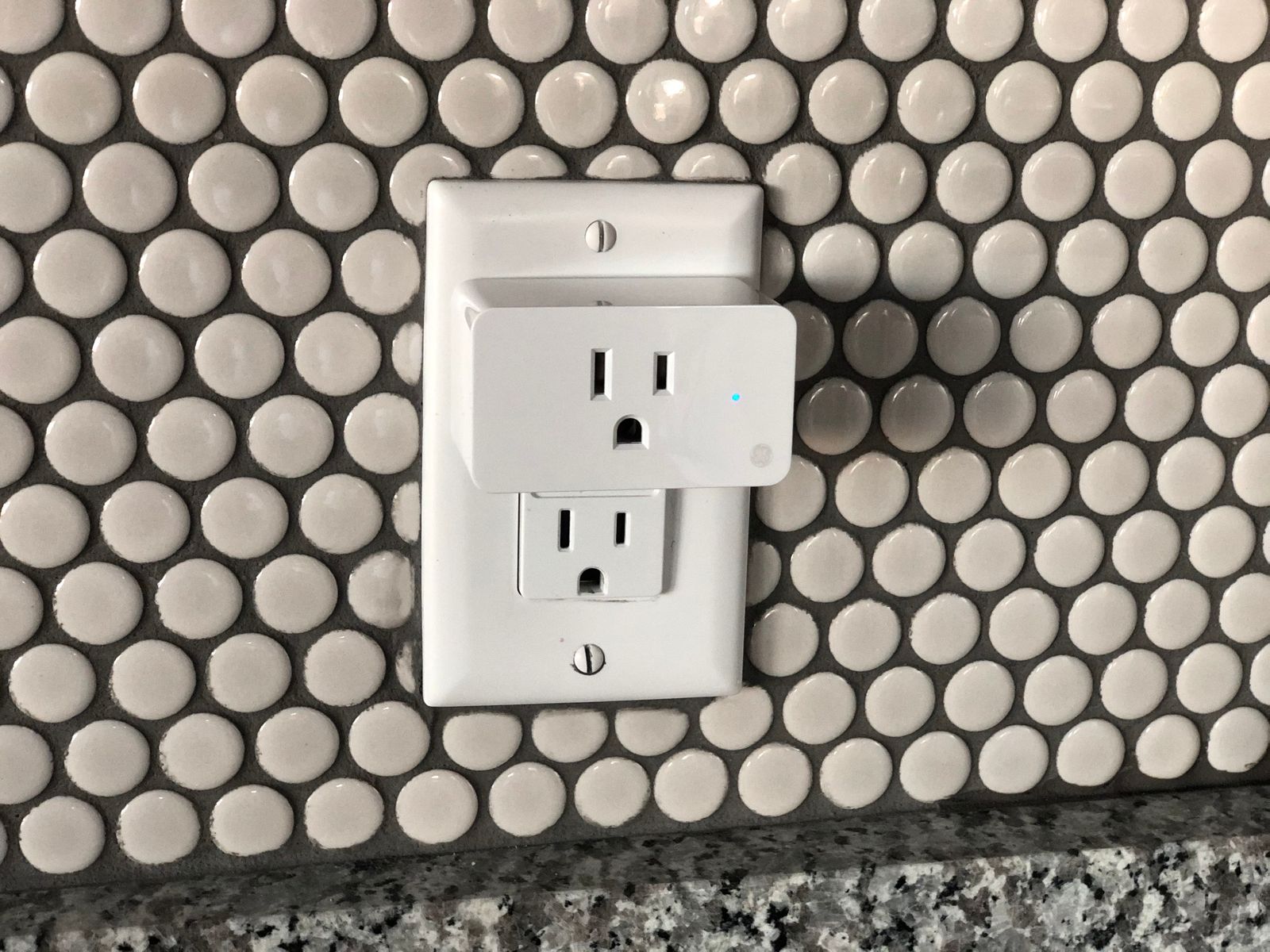
On January 31, 2026, Belkin flipped a switch somewhere and the Wemo app died. Not the devices — the app. Cloud services, remote access, Alexa and Google integrations, schedules: gone for most of the Wemo lineup, exactly as Belkin had announced half a year earlier. Five months on, I keep coming back to that shutdown, because it’s the cleanest demonstration I’ve seen of the argument I’ve been making on this blog since day one: the cloud is not a feature. It’s a liability with a countdown timer you can’t see.
I don’t own a single Wemo device. My smart home runs on Home Assistant OS on a used mini PC, talking Zigbee and local Wi-Fi APIs, and nothing in my house phones home to function. But watching the Wemo shutdown play out taught me a few things anyway — including one detail that almost nobody outside the Home Assistant bubble seems to know.
What actually died on January 31
The scope was brutal. Per Belkin’s own support page and the coverage at the time, the vast majority of Wemo smart plugs, switches, dimmers and sensors lost every cloud-dependent feature. No app control. No remote access. No voice assistants. If you had set up your plugs the way the box told you to — download the app, make an account, link to Alexa — your hardware became a very reliable paperweight with a relay inside.
There were two escape hatches. Devices already paired with Apple HomeKit before the deadline kept working through the Home app, because HomeKit control is local. And a small handful of newer models with Thread radios kept functioning over HomeKit and Thread. Everyone else got a support article and a shrug.
The part nobody told Wemo owners
Here’s the detail that stuck with me: Home Assistant has had a local Wemo integration for over a decade. It discovers the devices on your LAN and talks to them directly — no Belkin account, no Belkin servers, no internet at all. Which means that on February 1, while r/smarthome filled up with people mourning their dead plugs, every Wemo plug attached to a Home Assistant box kept switching on schedule like nothing had happened. Same hardware. Same firmware. The only difference was who it answered to.
That’s the whole local-first argument in one image. The device was never broken. The business model was. Belkin didn’t brick anyone’s hardware; they revoked a service agreement that most buyers never realized they’d signed. As one commentator put it, with cloud-dependent gear you no longer own what you buy.
This keeps happening, and it will keep happening
Wemo isn’t an outlier; it’s a pattern. Insteon switched off its servers overnight in 2022 and users woke up to dead houses. Logitech gave its POP button owners two weeks’ notice before remote-killing them, and did the same dance earlier with Harmony Link. The list of brands that have pulled this move is long enough to fill a roundup article, and it grows every year. The Irish Times ran a piece in January arguing the whole category becomes a harder sell when makers can arbitrarily pull the plug — and honestly, for cloud-first gear, that skepticism is earned.
I don’t even think the companies are evil. Running cloud infrastructure for a $25 plug sold eight years ago costs real money forever, and the accountants eventually win. That’s precisely why the fix can’t be “buy from nicer companies.” The fix is buying devices whose basic function doesn’t route through anyone’s accounting department.
The question I now ask before buying anything
Every device that enters this house has to pass one test: if the manufacturer vanished tomorrow, would this still work? Not “does it have an offline mode,” not “does the app cache my scenes” — would the core function survive the company’s death entirely.
In practice that sorts the market into three buckets. Zigbee, Z-Wave and Thread devices pass automatically, because the radio protocol is the interface — my Zigbee2MQTT network doesn’t know or care whether the vendor still exists. Wi-Fi devices pass only if they expose a documented local API, the way Shelly relays do, or if they can be flashed with open firmware like ESPHome. And anything that requires a vendor account to switch a relay fails, no matter how good the reviews are. Matter is slowly making the first bucket bigger, which is genuinely the best thing the industry has done in years — a Matter device commissioned into a local controller keeps working when the vendor’s cloud dies.
Notice that this test says nothing about Home Assistant. You don’t need my exact setup. HomeKit users who ran their Wemo gear locally came through the shutdown fine too. The principle is the controller lives in your house, and the devices answer to it — whatever that controller is.
Where that leaves me, five months on
The uncomfortable truth is that the Wemo shutdown was probably good for the local-first world. Nothing converts people like loss. Every one of these shutdowns produces a wave of ex-cloud users who show up in the Home Assistant forums asking how to make sure it never happens to them again, and the answer they get — local control, open protocols, hardware you actually own — is the same one that’s been true for a decade.
My EliteDesk hums along in the hallway cabinet, and the roughly sixty devices attached to it share one property that no spec sheet advertises: not one of them has an expiration date set by someone else’s budget meeting. That’s not paranoia. As of this year, it’s just pattern recognition. The next Wemo is already on a shelf somewhere, wrapped in plastic, waiting for its shutdown announcement. My only advice: don’t let it into your house with a cloud account as its lifeline.
Leave a Reply