
On October 13 the Home Assistant team announced that LEDVANCE, the company that inherited OSRAM’s general lighting business in 2016, is now a Works with Home Assistant partner. The headline number is 116 certified devices. My first reaction was a shrug, because lighting is the most crowded corner of the smart home. My second reaction, after reading the announcement twice, was more interesting: the certification terms are the actual story, not the bulbs.
What “certified” actually promises
According to the announcement, a Works with Home Assistant device has to do what you would expect inside Home Assistant, work locally with no cloud dependence, and keep doing so long term. The team says its in-house testers checked the LEDVANCE range for local control and privacy, using a standard Wi-Fi connection and the certified Matter integration.
That last detail matters. Every certified LEDVANCE device here uses Matter over Wi-Fi, so there is no hub, no bridge and no vendor app in the loop for control. The announcement does not mention Zigbee or Thread at all. If you, like me, have a Zigbee mesh doing the heavy lifting, these are not drop-in additions to it. They are Wi-Fi devices that happen to speak a local, open protocol.
What is in the range
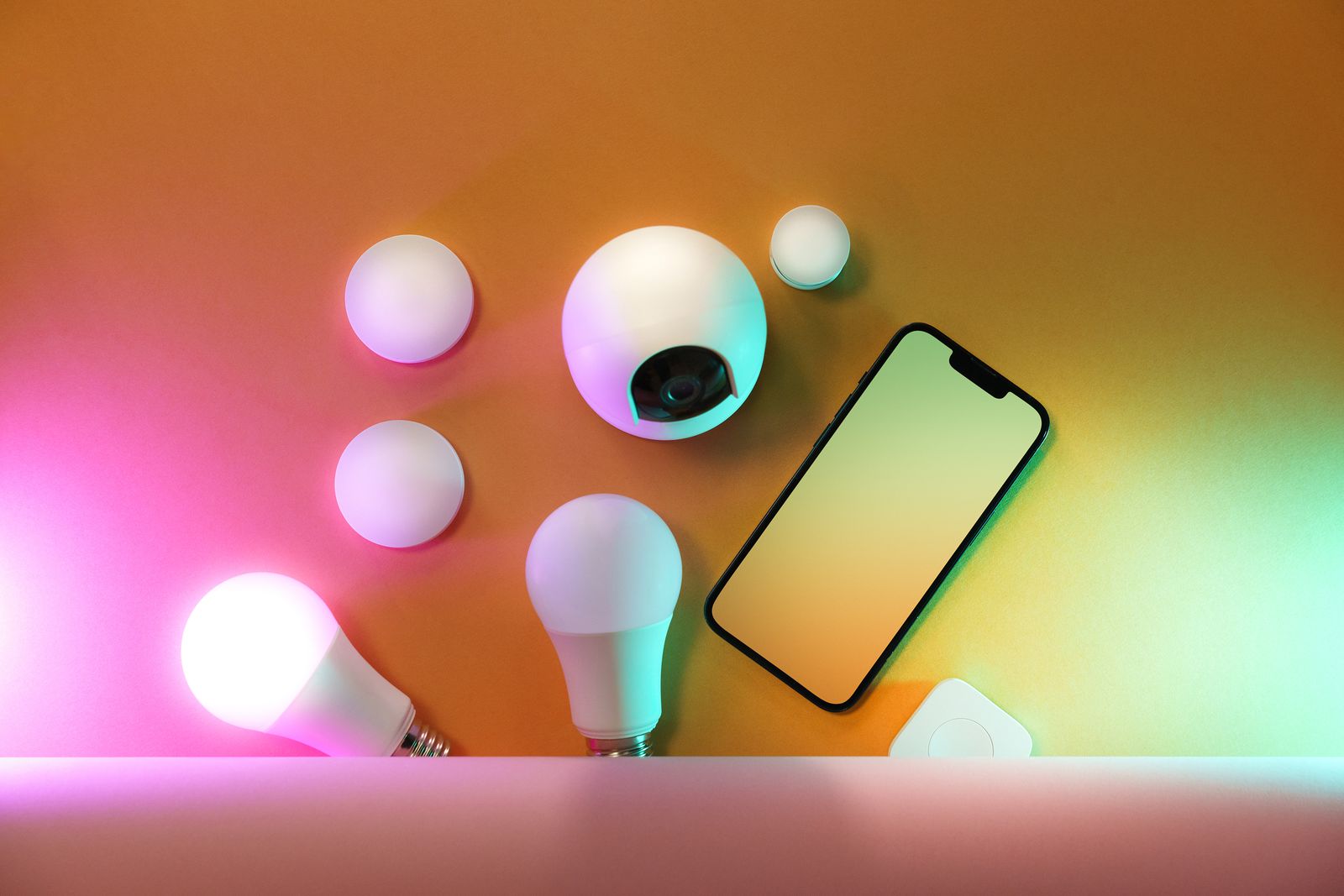
Per the announcement, the lineup covers filament-style bulbs, spotlights, recessed and track downlights, ceiling and wall lights, floor lamps and flexible LED strips, most of them tunable white or full color. There are IP-rated options for bathrooms and outdoors, a SMART+ Plug, and smart wall switches that control a ceiling light while keeping your existing bulbs. The range sits under the OSRAM SMART+ name, since LEDVANCE still sells OSRAM-branded products under a licensing agreement.
The post does not list model numbers, prices or firmware requirements, and sends you to the certified device list instead. So I cannot tell you which bulb to buy, and I will not pretend to. I have not tested any of these myself.
Why a lighting brand certifying matters more than the bulbs
Smart lighting has a long history of the following pattern: cheap hardware, a pleasant app, a cloud account, and a quiet end-of-life notice a few years later. A certification that explicitly demands local operation and long-term behavior is a direct answer to that pattern. It gives a buyer something to check before purchase, rather than something to discover after the vendor pivots.
It also fits the local-first rule I run my house by: if a device stops working when my internet does, it does not belong on a light switch. Matter over Wi-Fi is not my favorite transport, since a crowded 2.4 GHz network is a real cost when you add dozens of bulbs, but it is local, and local beats clever.
The caveats I would keep in mind
First, the announcement is written by Home Assistant itself and ends with a pitch for its Link subscription plan, so read it as a partnership post, not an independent review. Second, the long-term support is a commitment attributed to LEDVANCE, and the post does not spell out the terms. A promise is only as good as the firmware updates that follow it. Third, the team notes that a device missing from the list is not necessarily unsupported; it may just be untested or use a different connection type.
The company’s own quote is easy to agree with: product manager Pulkit Dhanuka says openness and interoperability are essential for the future of smart homes. I will believe it when the first firmware update arrives without asking for an account.
What I will do with this
Nothing yet. My Zigbee bulbs work, my mesh is stable, and I do not replace working hardware to follow a trend. But if I were building a new room from scratch today, especially one far from a Zigbee router, a certified Matter-over-Wi-Fi light is now a defensible option rather than a gamble. When I pick one up, I will write down how it behaves after a router reboot and after a month on the network, because that is where lighting claims tend to get honest.
If you are already running any of these, tell me in the comments how the pairing went and whether anything phoned home. I would rather publish your real-world notes than my guesses.
Leave a Reply